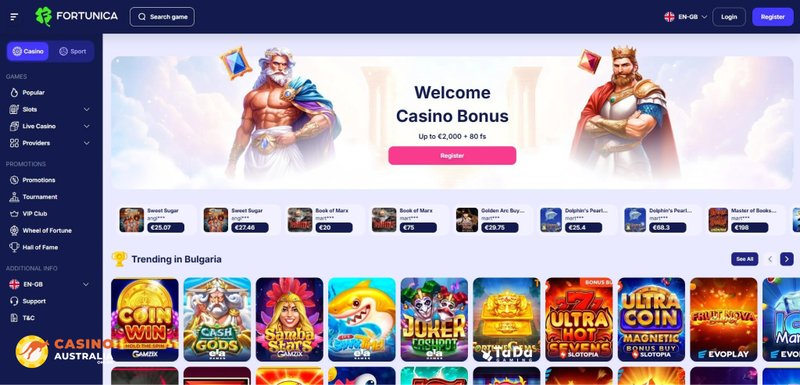
Fortunica Casino: A Quick‑Start Playground for Serious Gamblers
2 października 2026Nowe Kasyno Online – Przewodnik dla Graczy
2 października 2026
By 2026, the average smartphone user spends about 4.8 hours a day on games. That’s roughly a quarter of total screen time, up from 3.2 hours in 2020. The jump isn’t just in quantity; it’s in quality. Developers now deliver graphics that rival mid‑range consoles, with frame rates hitting 60fps on flagship phones. The result? A portable experience that feels as immersive as sitting in front of a TV.
How are hardware upgrades fueling the shift?
Modern phones feature 5nm GPUs and 12GB of RAM, pushing the envelope for real‑time ray tracing and high‑resolution textures. Game studios routinely target 1080p at 60fps on the latest Snapdragon and Exynos chips. Meanwhile, the battery tech—solid‑state cells with 5000mAh capacities—keeps gameplay sessions longer, cutting the average downtime between charges to just 15 minutes. For players, this means a handheld that can run AAA titles without the lag that plagued early mobile releases.
What new monetization models are emerging?
Subscription services now cover everything from battle‑royale passes to cloud‑streamed indie gems. In 2026, a single $9.99/month plan can unlock over 200 titles, including exclusive mobile‑only releases. Meanwhile, ad‑supported free games use non‑intrusive, rewarded video ads that finish in under 30 seconds, allowing players to earn in‑game currency without skipping content. The downside? The subscription cost can climb to $19.99 for premium tiers, which may not justify the extra content for casual players.
How does social integration change the experience?
Cross‑platform play is now standard, meaning a friend on a PC can join a match on your phone with a single tap. Voice chat is embedded directly in the game UI, eliminating the need for third‑party apps. The new “GamePass” feature lets users share a single purchase across devices, so a title bought on a phone plays on a tablet or laptop without extra fees. However, the reliance on cloud servers can lead to latency spikes in regions with poor internet infrastructure, breaking the seamless multiplayer feel.
How mobile gaming connects to broader entertainment ecosystems
Gamers are increasingly turning to online platforms for a full entertainment experience. A popular choice is Fortunica, where you can combine gaming with live streaming, e‑sports tournaments, and community events—all accessible from a single app. This integration turns a simple play session into a social, competitive, and sometimes monetizable activity.
If you’re looking for a casino-style gaming experience, check out Fortunica.
What are the biggest challenges ahead?
Despite the gains, fragmentation remains a hurdle. Android’s wide device spectrum means developers must optimize for multiple hardware configurations, leading to longer development cycles. Security is another concern; the rise of cross‑platform accounts has made phishing and credential theft more common. Finally, the environmental impact of constant hardware upgrades—especially battery production—has prompted calls for more sustainable practices from both manufacturers and developers.
Is mobile gaming the future of entertainment?
When you look at the data, the trend is clear. By 2028, projected downloads of mobile games will exceed 3.5 trillion worldwide, outpacing console and PC downloads by a factor of 1.7. The convergence of powerful hardware, flexible monetization, and social features has turned smartphones into the primary portal for interactive entertainment. For those who still think mobile games are a niche pastime, 2026 shows otherwise: they’re now a cornerstone of how we play, connect, and consume entertainment every day.
Frequently Asked Questions
What is the average daily gaming time for smartphone users in 2026?
Users spend about 4.8 hours a day gaming on smartphones.
How do modern smartphones compare to mid‑range consoles in graphics?
Flagship phones now deliver 60fps graphics that rival mid‑range console visuals.