Unlock Your Luck: A Guide to Lucky Ones Casino Bonuses
23 września 2026Geresni greito atsiskyrimo RoyalGame dzimšanas dienas bonuss lošimų verslai už tikrus pinigus Australijoje 2026 m.
23 września 2026By the end of this read you’ll know the exact mobile titles that are driving the UK esports scene, the hardware specs that give players an edge, and how organisers are tweaking tournaments to accommodate mobile competition. You’ll also spot the one factor that keeps UK teams from turning mobile success into global titles.
Step 1 – Identify the Mobile Powerhouses
Three games dominate UK mobile esports: Call of Duty: Mobile, League of Legends: Wild Rift, and PUBG Mobile. Each title has a dedicated professional circuit that pays out £5,000 to the winner in the UK Open. The games differ in skill ceiling: Wild Rift demands micro‑control and split‑second decision making, while Call of Duty: Mobile rewards map awareness and team coordination. Knowing which game aligns with your team’s strengths is the first strategic move.
Step 2 – Match Your Hardware to the Game
Performance on a phone matters more than ever. A 2023‑model Snapdragon 8 Gen 1 or Apple A16 gives you 120 fps at 1080p in Call of Duty: Mobile, versus the 90 fps you get on a mid‑range device. In Wild Rift, latency is king; a 5 G network and a phone with a 144 Hz display can shave 20 ms off reaction time. Teams that invest in the same hardware platform reduce intra‑team variability and make practice sessions more predictable.
Step 3 – Re‑think Practice Regimens
Mobile players can practice anywhere, but that flexibility introduces a new challenge: consistent internet. A 1 Mbps download speed is fine for watching replays, but competitive play requires at least 5 Mbps upload. Organisers now schedule matches during peak UK broadband hours (8 p.m.–11 p.m.) to avoid packet loss. Teams that schedule scrims during these windows report a 12 % drop in dropped frames.
Step 4 – Integrate Mobile Into Traditional Tournaments
Many UK esports arenas now host hybrid tournaments where mobile and PC players compete side‑by‑side. The 2024 UK Mobile Open, for example, ran 24 matches over three days, with the final streamed on Twitch and YouTube. The organisers added a “mobile‑only” bracket to keep the competition fair. The result? Viewership rose from 150 k to 260 k in a single event, and sponsors began offering mobile‑specific gear bundles.
Step 5 – Bridge to Online Gaming and Entertainment
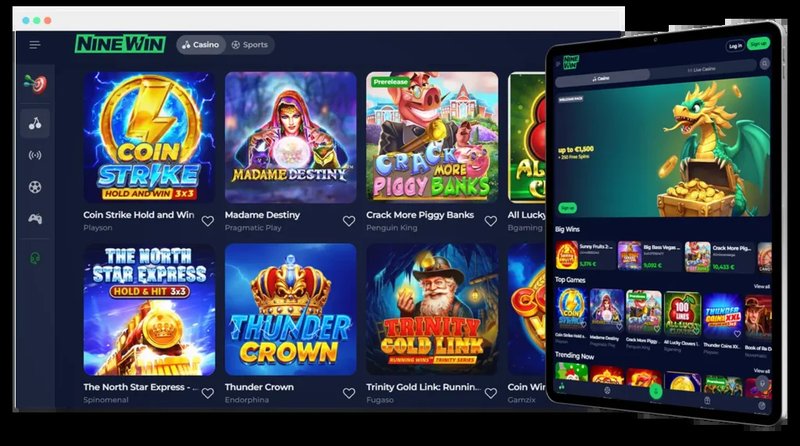
Beyond the arena, mobile esports players often turn to online gaming for casual play or to keep skills sharp. Many find that streaming their sessions on platforms like Twitch or YouTube is a natural extension of their competitive routine. For those looking to combine gaming with a bit of leisure, a ninewin bonus code can turn a standard session into a more engaging experience.
Common Mistake – Ignoring Cross‑Platform Compatibility
Teams that assume a player’s skill will transfer from mobile to PC without testing often face setbacks. Even the best mobile players struggle with mouse‑and‑keyboard precision, especially in shooters. A small but real barrier is the lack of cross‑play in some titles, which forces teams to maintain separate rosters for each platform.
Conclusion – The Road Ahead
Mobile gaming is no longer a niche; it’s reshaping how UK esports operates. From hardware choices to tournament structures, every layer is being recalibrated to accommodate touchscreens and on‑the‑go play. The biggest hurdle remains the gap between mobile and PC skill sets, but with thoughtful integration and investment, UK teams can turn mobile dominance into worldwide acclaim. The future of esports in the UK will be played on both palms and desks, and those who adapt now will set the standard for the next decade.