
Shell out Because of the Mobile phone Casinos online Mobile phone Bill Local casino Sites To own ice age mobile casino Cellular Ports
26 września 2026Best You No deposit blood queen play Gambling enterprise Incentives 2026 Allege step one,100 Spins
26 września 2026The Row Fashion: How the Brand Redefined American Minimalism
The industry finds itself with an odd case in The Row: though it seldom runs ads and avoiding star-driven promotion, it has grown into one of the most buzzed-about labels of the last two decades, its name forged almost entirely on word of mouth and loyal clientele. Launched by Mary-Kate and Ashley Olsen in 2006, the label grew out of a plain frustration — the inability to find an unadorned, properly constructed t-shirt that actually fit and endured. Everything that came afterward is explained by that origin story: obsessive attention to cut, cloth substance, and construction detail, with barely any regard for seasonal noise or logo display.
Rather than treating minimalism as a mere trend, The Row fashion builds around it as a core operational ethos. Pieces are frequently made in small workshops in Italy, with pattern-cutting that can take numerous revisions before any single shape is finalized. A blazer might go through 50 fit sessions. Because of this, its cost—true to slow fashion in its purest form—sits at the top of the contemporary-to-luxury range. What emerges is apparel and accessories that appear deceptively plain but carry a level of construction which most wearers only detect once the item has been worn for a year.
The Emergence of The Row Bags Evolved Into Status Objects
While the clothing forged its credibility among stylists and editors, it was the handbags that propelled The Row toward broad cultural fascination, particularly from 2020 onward. The Row’s handbags hover in a peculiar zone between understated luxury and cult status — immediately identifiable to those in the know, virtually unseen by anyone outside that circle. No monogram appears, no hardware announces the brand name — only sleek leather, tailored silhouettes, and proportions that feel costly without straining to show it.
The Margaux is the piece most responsible for this shift. Named after Margaux Hemingway, ysl chain bag it launched with a boxy, open-top silhouette and a slouchy leather body that looked equally at home on a stylist’s arm at fashion week or tucked under a laptop bag on a commute. Its popularity created genuine scarcity — waitlists at Bergdorf Goodman and Net-a-Porter stretched for months during peak demand years. Anyone searching for where to buy The Row Margaux bag quickly learns that availability fluctuates constantly, with limited restocks appearing at a handful of authorized retailers rather than flooding the market.
Filling in the range were the Sofia, the Wander, and the moon-curved silhouettes, each one reflecting the same philosophy: minimal branding, maximal material quality, and silhouettes that resist trend cycles. That steadiness is a key factor in why the resale market for The Row handbags has remained strong — worth erodes at a slower pace than with most luxury handbag brands, because appeal doesn’t fade the moment a new „it” bag shows up elsewhere.
The Row’s Best Styles: A Clear-Eyed Guide
For shoppers making sense of the current lineup, a breakdown of the range helps clarify which shapes serve which purpose. The brand’s handbag range spans structured top-handles, soft-shoulder totes, and clutch designs, and prices generally range from the low thousands into five-figure territory depending on leather type, size, and hardware finish. Here is a comparison of some of the most sought-after styles to give a clearer sense of how they differ in use case.
| Bag Type | Form | Ideal Use | Key Characteristic |
|---|---|---|---|
| Margaux | Structured yet open-top tote | Work and daily wear | Relaxed leather, cult-favorite reputation |
| Sofia | Rigid top-handle shape | Evening wear, dressier occasions | Small, sculptural form |
| Wander | Relaxed shoulder bag | Travel, errands | Light, pliable construction |
| Tote Bag by The Row | Large, open carry | Office, weekend trips | Large capacity, low-key metal details |
The tote style deserves specific mention because it functions almost as the brand’s everyday go-to — roomier, less precious-feeling than the Margaux, and made for people who need to carry a laptop, files, or gym clothes without compromising the label’s restrained style. It’s commonly the entry point for shoppers transitioning from ready-to-wear into The Row’s accessories world, since totes tend to be easier to live with in terms of everyday wear and tear compared to structured top-handles.
When people ask which are the top row bags for resale value, the real answer depends on lifestyle rather than hype. The Margaux holds resale value impressively well due to sustained demand, but it’s a large, casual shape that doesn’t suit formal dressing. Sofia, by contrast, is a more natural choice for evening wear but sees less daily wear, which can make its per-wear value higher for most owners.
Making Sense of Row Sale Timing and Where to Shop Smart
Because The Row seldom reduces prices through its own channels, a row sale is a remarkably rare event, and shoppers searching for one need to understand where markdowns tend to surface. The brand holds onto tight control over pricing to safeguard its position as a luxury house, which means significant reductions are almost never found on therow.com itself. Instead, sales activity tends to appear through multi-brand retailers during their seasonal markdown windows — think end-of-season markdowns at high-end department stores or value-driven resale sites that receive limited consignment stock.
Pre-owned shopping sites including The RealReal, Vestiaire Collective, and Fashionphile have emerged as the go-to destination for reduced-price The Row handbags, particularly for past-season colors or silhouettes that have been retired from the main collection. Pricing on these platforms fluctuates based on wear level, hardware finish, and leather grade, but carefully kept pieces from recent years routinely trade at 20-40% below original retail, which is considerably better value preservation than most contemporary handbag brands manage.
Factory outlets have no place in The Row’s distribution model, which distinguishes it from plenty of other luxury brands that silently clear overstock through factory outlets. That gap reinforces scarcity and helps explain why the resale channel has grown into such a bustling secondary market. Those with the patience and committed to watching these platforms on an ongoing basis tend to land stronger deals than those holding out for an brand-sanctioned sale that might never materialize.
The Row’s Full Range: Ready-to-Wear and Accessories
It would be a partial view to examine The Row only in terms of its handbags, since its clothing line continues to serve as the foundation of its identity. It’s in tailoring that the brand’s name was made, and pieces like loose-cut trousers, relaxed blazers, and cashmere sweaters remain central to each collection. Material sourcing depends largely on Italian mills, with a focus on natural fibers — silk, wool, cashmere, and leather — as opposed to synthetic combinations, which shapes both the price point and the durability customers report.
Footwear has quietly grown into another strong category, with minimalist flats, loafers, and boots that echo the same quiet design discipline found in the bags. The brand doesn’t chase seasonal footwear trends in the manner many competitors do; instead, styles get incremental updates season after season, so a pair bought in 2022 doesn’t feel outdated in 2026. That consistency is a key draw for customers who want to assemble a lasting wardrobe instead of refreshing it every year.
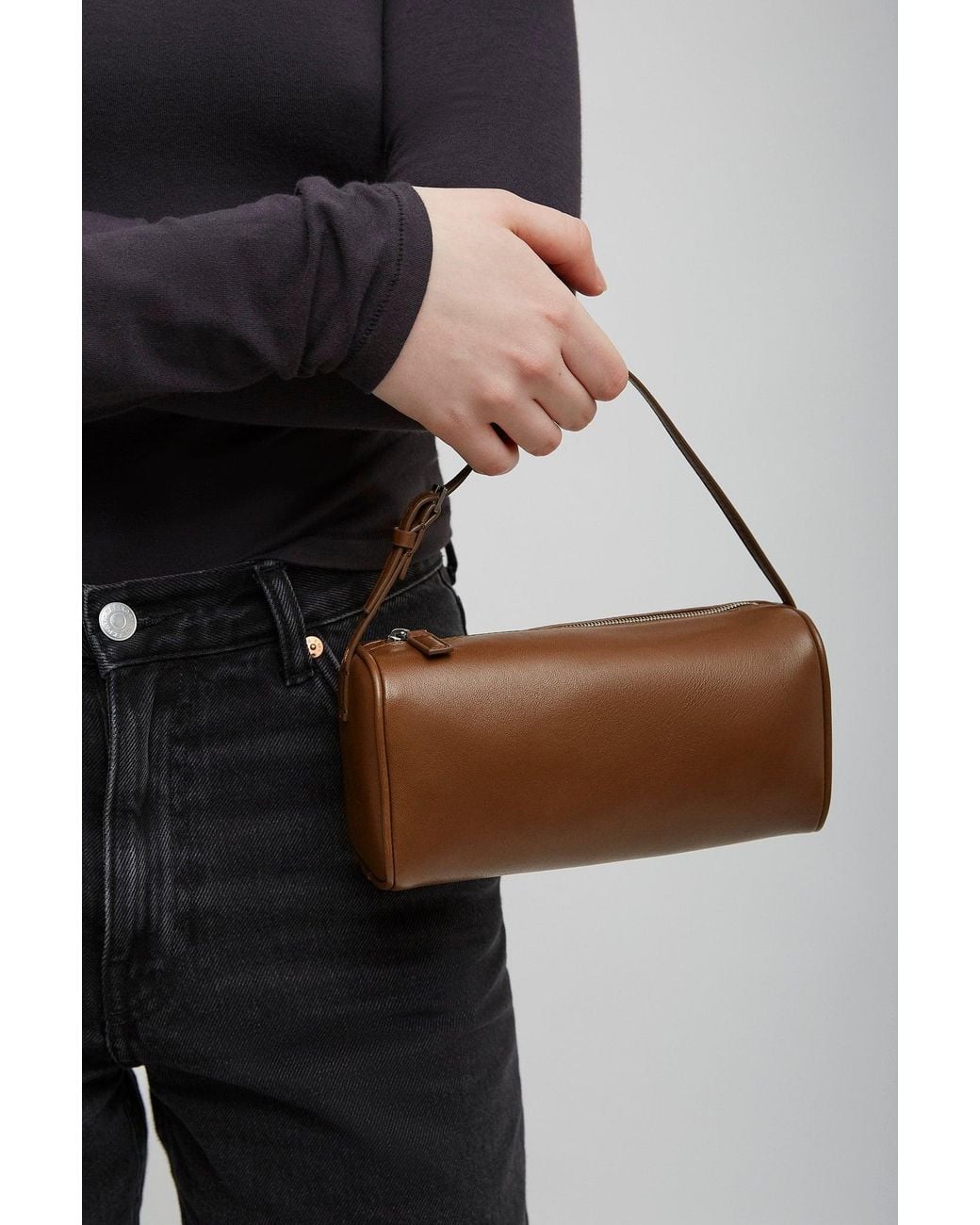
Sunglasses paired with small leather accessories complete the accessories offering, frequently acting as a lower-cost entry point into the brand for shoppers not ready to invest in a full handbag. These smaller items tend to move fast as well, particularly limited colorways, underscoring the broader pattern across The Row’s business: restrained output paired with continued high demand.
The Reason The Row’s Method Still Holds Up in 2026
Nearly twenty years after launch, The Row still holds its place as one of the few luxury labels that hasn’t watered down its identity pursuing viral trends. There’s no collaboration calendar packed with hype drops, no endless logo-driven products, and no rush to flood the market with new bag shapes every season. That self-control has become the brand’s actual competitive advantage in a market flooded by fast turnover and collections shaped by influencer trends.
For anyone building a carefully-chosen wardrobe or bag lineup in 2026, getting to grips with this label means coming to terms with a pretty straightforward equation: fewer releases, greater spend on materials, and a customer base that values discretion over recognition. Start with a tote, a Margaux, or a single cashmere sweater — either way, the same core idea holds — substance that proves itself quietly, never demanding attention.
